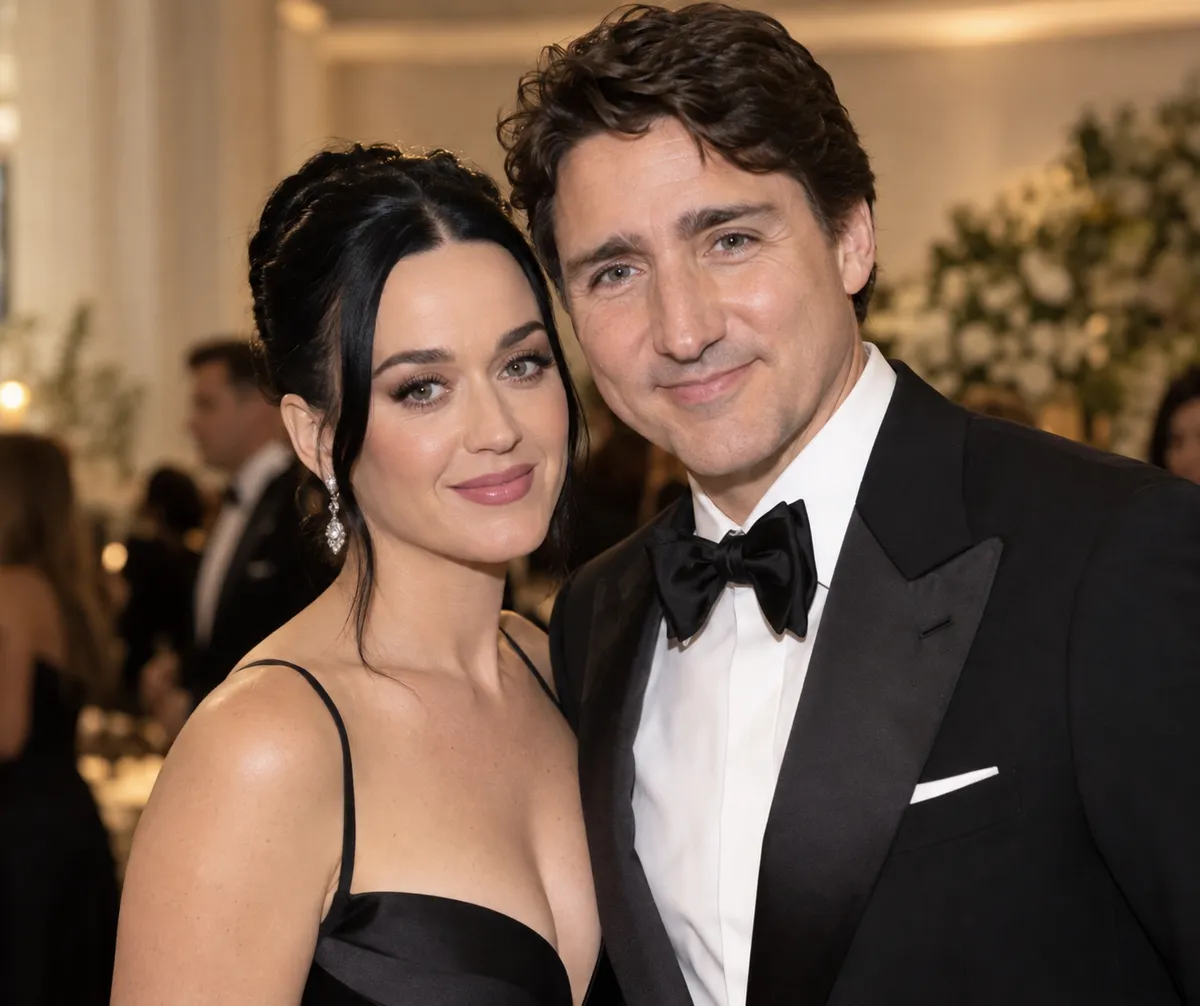
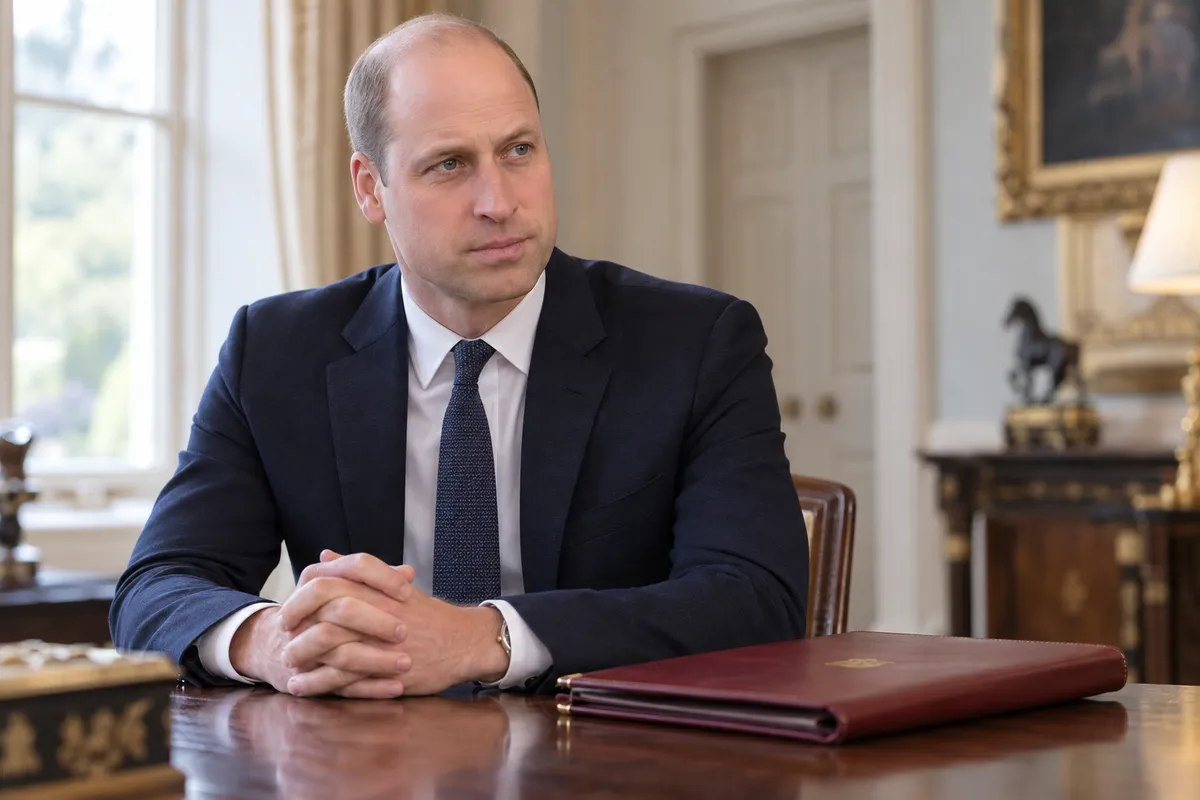
Prince William reportedly has big "restructuring" ideas for his eventual reign, and the headline item is a doozy: according to Vanity Fair, he is considering a monarchy where royal titles and HRH styles are reserved for working royals only. If that sounds like a tidy org-chart tweak, consider who it could touch. Per the report, the change could strip Prince Harry, Meghan, Archie, and Lilibet of their titles.
It's a report, not an announcement, and nothing here has been confirmed. But it's a juicy lens for a bigger question: are royal titles a job or a birthright?
What's Actually Being Reported
Here's the reported shape of it, per Vanity Fair:
- William is considering a major restructuring of the monarchy.
- The idea would reserve royal titles and HRH styles for working royals.
- That could cost Harry, Meghan, Archie, and Lilibet their titles.
- It could also give William's own younger children a clearer path to private lives.
That last point matters. Read one way, this is a Sussex-focused move. Read another, it applies to the whole family tree, including William's own kids beyond the line of succession's front row. A rule that trims the branches evenly looks very different from one aimed at a single address in California.
The Case for "Title as Job Description"
The pitch is easy to understand. If you work for the firm, you get the styling. If you don't, you don't. It's the sort of logic most workplaces run on, and it speaks to a theme Vanity Fair says is intensifying: public scrutiny of royal costs, privilege, and relevance, especially around non-working royals and scandals tied to the wider family.
It's hard not to see the brand-management appeal. A slimmer, clearly defined monarchy is simpler to explain to a public that keeps asking what, exactly, everyone does all day. And a rule that says "no duties, no HRH" is a lot harder to argue with than a case-by-case judgment call.
The cleaner version of this argument also gives William's younger children something rare in royal life: an off-ramp. Under the reported plan, they would have a clearer path to private lives. For a family that has watched the fishbowl up close, that's arguably a feature rather than a bug.
The Case for "This Is Personal"
Now the other reading, and it's the one the internet will reach for first. The report lands amid ongoing tension between William and Harry, per Vanity Fair. Put a plan that could remove titles from Harry's family into that context and "reform" and "retaliation" start to look like two costumes on the same mannequin.
The timing suggests why the story will travel. Even if the policy is principled, the optics are not neutral. Archie and Lilibet are children, and any change touching their titles would land on kids who didn't pick any of this. That is exactly why the framing matters: a rule applied as a broad principle reads as modernization, while one that appears to single out the Sussexes reads as a family feud with a legal appendix.
We don't know which of those it is, and the report doesn't settle it. Anyone telling you they know William's motives is guessing.
How Titles Actually Work (and Why Letters Patent Come Up)
A quick explainer, since the tools matter. Royal status isn't just vibes and tradition; it's shaped by formal instruments, and letters patent are the kind of document that can reshape who holds which style. That's why the idea of restructuring comes with a procedural question attached: this would be a deliberate act by a monarch, not something that happens by drifting.
Importantly, that also means this is a future-tense story. William is the heir, not the king. Whatever he's reportedly weighing is about how he might run things once he is, which gives the plan plenty of time to change, soften, or quietly vanish.
Would the Public Cheer?
There's a reasonable argument that a smaller royal family is a popular one, given the scrutiny of costs and privilege that Vanity Fair points to. A "working royals only" model is a simple story, and simple stories travel.
But popularity of the principle isn't the same as popularity of the execution. People who like a leaner monarchy in theory may feel differently if the first visible casualties are a pair of children. The plan's reception would likely hinge less on the policy itself and more on how, and to whom, it's first applied.
The Takeaway
Strip away the palace drama and this is a very modern question wearing very old clothes: does a title describe what you do, or who you are? William's reported answer is "what you do." It's a defensible position with an obvious catch. In a family where the job and the relationship are impossible to separate, even the tidiest org chart is going to read as a verdict on somebody. For now, it's a report, a rumor with good bones, and a reminder that in this story the paperwork is never just paperwork.